
Nov
19

Residential design is moving through a lively period of change, with homeowners rethinking how spaces function, feel, and connect with the outdoors. Modern lifestyles demand comfort blended with character, and today’s renovations reflect that shift in bold, expressive ways. Whether updating an older home or reinvigorating a modern build, people are embracing ideas that create brighter interiors, versatile layouts, and stronger visual statements. Many are also investing in premium openings such as aluminium bifold doors, which help bridge inside and outside living with impressive ease. As tastes evolve, renovation trends are becoming more imaginative, more open, and more focused on how daily life unfolds. Below, we explore the top architectural trends that are reshaping residential upgrades and giving homes a fresh sense of purpose and style.
Expansive Indoor–Outdoor Flow
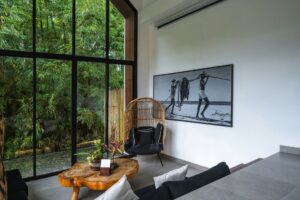 One of the strongest shifts in recent home improvements is the desire to blend interior spaces with the outdoors. Large openings, panoramic doors, extended patios, and thoughtful landscaping are being incorporated to create transitions that feel almost seamless. Homeowners are prioritising daylight, airflow, and a sense of openness that gives even smaller houses a refreshing lift. This trend is driven by a growing interest in comfort, relaxation, and the idea that functional living goes beyond walls. With outdoor areas serving as social, dining, and leisure spots, architectural choices are focusing on wide openings and clean lines that visually connect both zones.
Minimalist Forms with Warm Character
Minimalism continues to influence modern renovations, but it has evolved into something softer and more inviting. Instead of cold or overly strict lines, renovations feature warmer materials, subtle textures, and muted palettes that still maintain simplicity without feeling stark. Timber accents, clay tones, brushed metals, and ambient lighting bring an expressive charm to minimal layouts. This style also appeals to homeowners who prefer a clutter-free environment that still feels personal. The goal is to create calmness without removing the home’s personality, using selective decor and thoughtful architectural detailing.
Flexible Multi-Use Spaces
Homes today serve many functions—living, working, learning, exercising—so renovation trends now support multipurpose layouts. Instead of rigid room separations, flexible areas are gaining favour. Sliding partitions, pocket doors, convertible furniture, and smart layouts help rooms shift roles throughout the day. A dining area may double as a workspace, or a hallway nook may become a reading corner. Architects and renovators are responding to changing lifestyles by rethinking how space is used rather than simply increasing square footage. This shift makes homes more adaptable, especially in busy urban settings where every metre counts.
Textured Materials and Natural Finishes
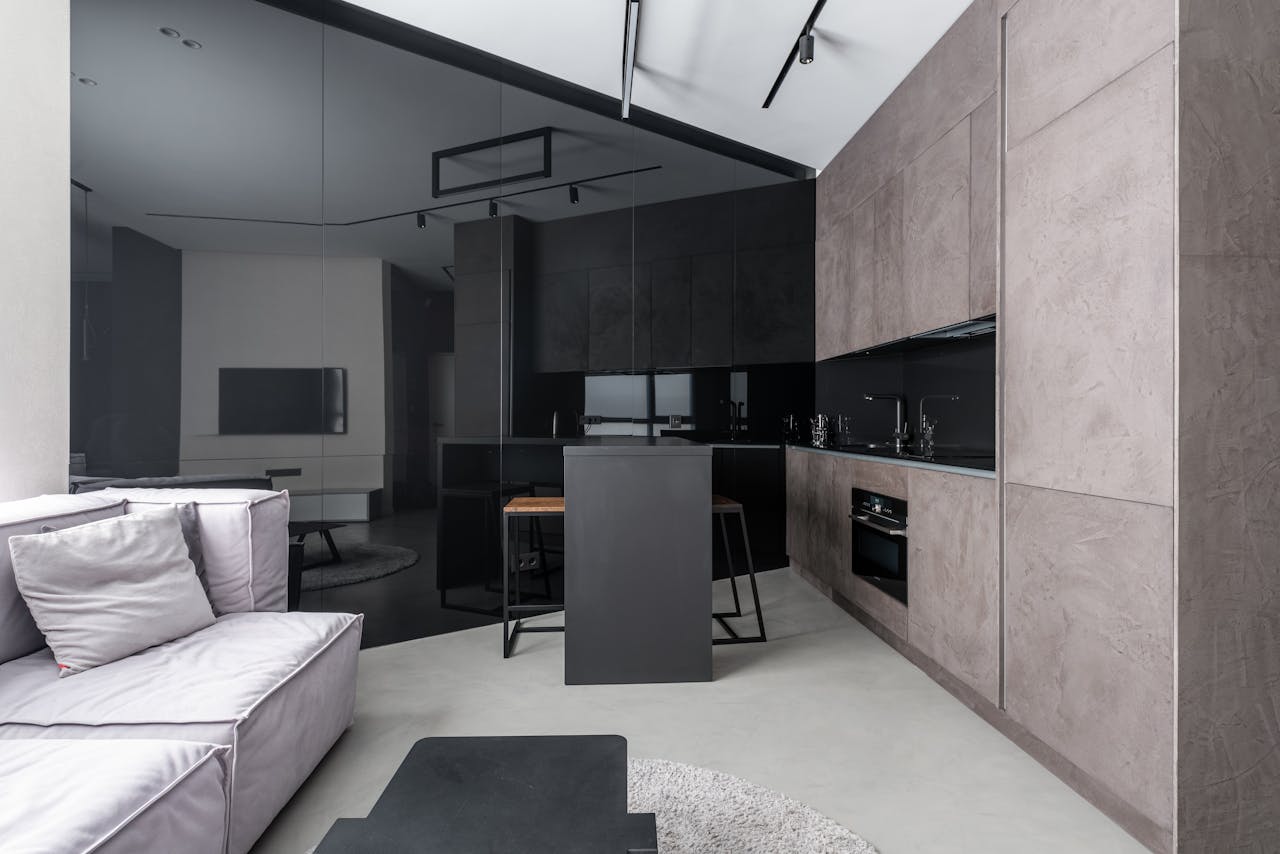
Another trend gaining momentum is the use of rich, tactile materials that bring depth to interiors. Stone, timber, limewash finishes, handmade tiles, and natural fabrics are rising in popularity. These elements add warmth and character, grounding modern designs in inviting, earthy appeal. Homeowners are gravitating toward materials that age well and feel authentic under touch. Instead of overly polished surfaces, finishes with subtle imperfections are celebrated for the comfort and calmness they bring to living spaces. This approach gives homes personality through layers of texture and thoughtful material choices.
Smarter, Energy-Aware Renovations
Technology is quietly shaping architecture in meaningful ways. Homeowners are investing in upgrades that support efficiency, comfort, and long-term savings. From improved insulation to integrated smart systems, renovations are becoming more forward-thinking. Lighting control, automated blinds, climate management tools, and advanced glazing improve daily living while reducing wasted energy. This trend is not driven purely by convenience; many homeowners value lower utility costs and improved comfort. Modern renovations therefore blend visual appeal with features that help homes function well over time. Careful planning supports better habits, and tech improvements help residents monitor and refine how spaces are used.
Today’s residential renovations are shaped by ideas that bring comfort, connection, and thoughtful design into everyday life. Homeowners are shifting toward brighter interiors, flexible spaces, material-rich finishes, and upgrades that make living easier and more enjoyable. Whether …